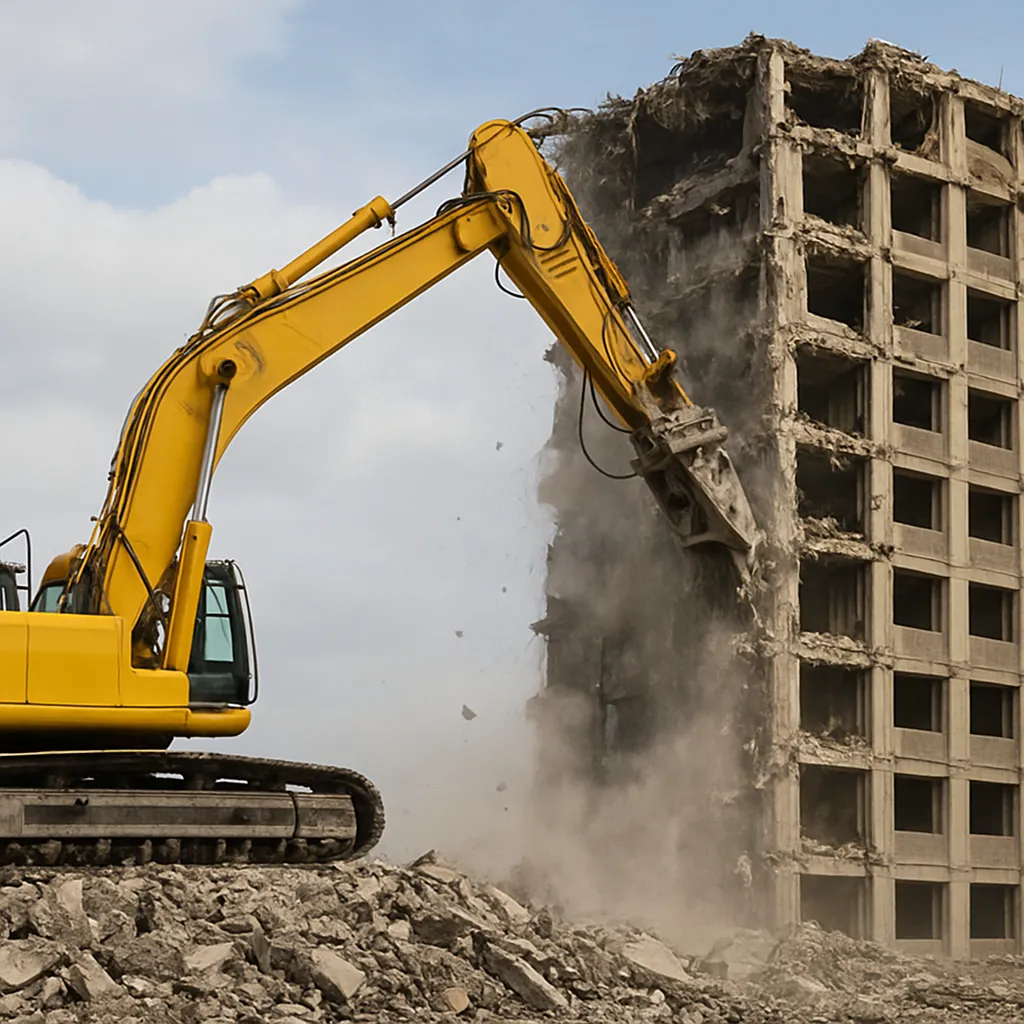
In the realm of modern construction and deconstruction, the art of dismantling towers relies on sophisticated machines at work to transform skylines and reclaim urban land. This article explores how advanced mechanical systems integrate with meticulous planning and innovative technology to bring down soaring structures in a safe, controlled manner.
Planning and Preparation
The success of any skyscraper demolition project begins long before the first machine touches steel and concrete. Detailed surveys, structural analyses, and logistical assessments set the stage for a smooth operation. Project managers collaborate with structural engineers, environmental experts, and local authorities to ensure every aspect of the demolition meets strict regulations.
Site Assessment and Surveying
- Laser scanning and photogrammetry map the building’s geometry with precision.
- Ground-penetrating radar detects hidden utilities and subterranean hazards.
- Environmental sampling measures potential contaminants such as asbestos or lead.
Demolition Strategy
Choosing the right approach is vital. Teams may opt for high-reach mechanical dismantling, controlled implosion, or a hybrid method. Each strategy demands unique machine deployments, risk analyses, and public safety plans. Critical activities include:
- Developing a phased removal schedule to minimize vibrations.
- Establishing exclusion zones and noise mitigation measures.
- Coordinating with emergency services and utility providers.
Equipment and Techniques
Demolition machinery has evolved dramatically over recent decades. Today’s fleet combines brute force with smart controls to deliver unmatched efficiency and safety. Here are some of the key players on the jobsite:
High-Reach Excavators
These towering hydraulic giants can extend booms over 70 meters, allowing operators to chip away at upper floors from a secure distance. Mounted with specialized attachments—such as hydraulic crushers and pulverizers—they can systematically tear down concrete beams, steel columns, and facade elements.
Hydraulic Breakers and Crushers
Hydraulic hammers pound away reinforced concrete, while jaw crushers and shearers slice through steel girders. Their impact energy is carefully calibrated to avoid excessive shock waves, protecting nearby structures and sensitive equipment.
Controlled Implosion
When time is of the essence, controlled explosions offer a rapid solution. Expert blasters use shaped charges to remove key support elements, causing the building to collapse inward. Advanced computer simulations model the implosion sequence, and remote sensors capture real-time data to ensure the structure falls exactly as planned.
Remote and Robotic Systems
In high-risk zones, human presence is minimized by deploying remote-controlled vehicles and demolition robots. Equipped with cameras, laser scanners, and robotic arms, these unmanned units handle the heaviest tasks while operators remain in safe control centers. This approach reduces accidents and improves overall safety.
Safety and Precision
Ensuring the well-being of workers, pedestrians, and surrounding properties is the top priority in any demolition. Comprehensive safety protocols govern every action on site, leveraging both human oversight and machine intelligence.
Monitoring and Real-Time Controls
- Accelerometers and vibration sensors track structural responses.
- Dust suppression systems deploy water mist and foam to limit airborne particles.
- Noise-dampening barriers and sonic hush technology protect local residents.
Operator Training and Certification
Driving a high-reach excavator or handling a hydraulic breaker demands extensive education. Operators undergo simulator training that mimics real-world scenarios, from unpredictable load shifts to power failures. Ongoing certification ensures they stay updated on evolving regulations and best practices.
Precision Demolition Techniques
Rather than relying on brute force alone, modern teams use selective dismantling methods. Laser-guided cutting tools more accurately separate structural members, minimizing collateral damage and maximizing material recovery. This level of precision not only enhances safety but also expedites the recycling process.
Environmental and Regulatory Aspects
Demolition projects interact closely with environmental stewardship and legal frameworks. Machines at work must meet stringent emissions standards, and waste management plans are mandatory to handle the vast quantities of debris.
Waste Segregation and Recycling
- Concrete is crushed on-site to become aggregate for new construction.
- Steel beams are sorted and transported to recycling plants.
- Hazardous materials are isolated in sealed containers for safe disposal.
Emissions Control
Diesel engines powering heavy machinery are fitted with particulate filters and selective catalytic reduction systems to lower NOx and soot emissions. Electric and hybrid demolition machines are also gaining popularity, reducing the environmental footprint of large-scale teardown operations.
Compliance and Community Engagement
Securing permits involves detailed impact assessments and public hearings. Project leaders present risk mitigation strategies, including traffic rerouting plans and emergency response protocols. Transparent communication builds local trust and helps avoid costly delays.
Innovation and Future Trends
The field of mechanical demolition continues to embrace new technology. Artificial intelligence-powered monitoring platforms predict structural behaviors, while drones equipped with LiDAR provide up-to-the-minute site mapping. Adhesive-free separation techniques and nanocoating treatments promise to accelerate material recovery even further.
As urban landscapes evolve, machines at work will remain at the forefront of transforming obsolete towers into vacant lots, parks, and mixed-use developments. The combination of cutting-edge equipment, rigorous planning, and a commitment to safety ensures that every skyscraper’s final act is executed with unparalleled efficiency and responsibility.