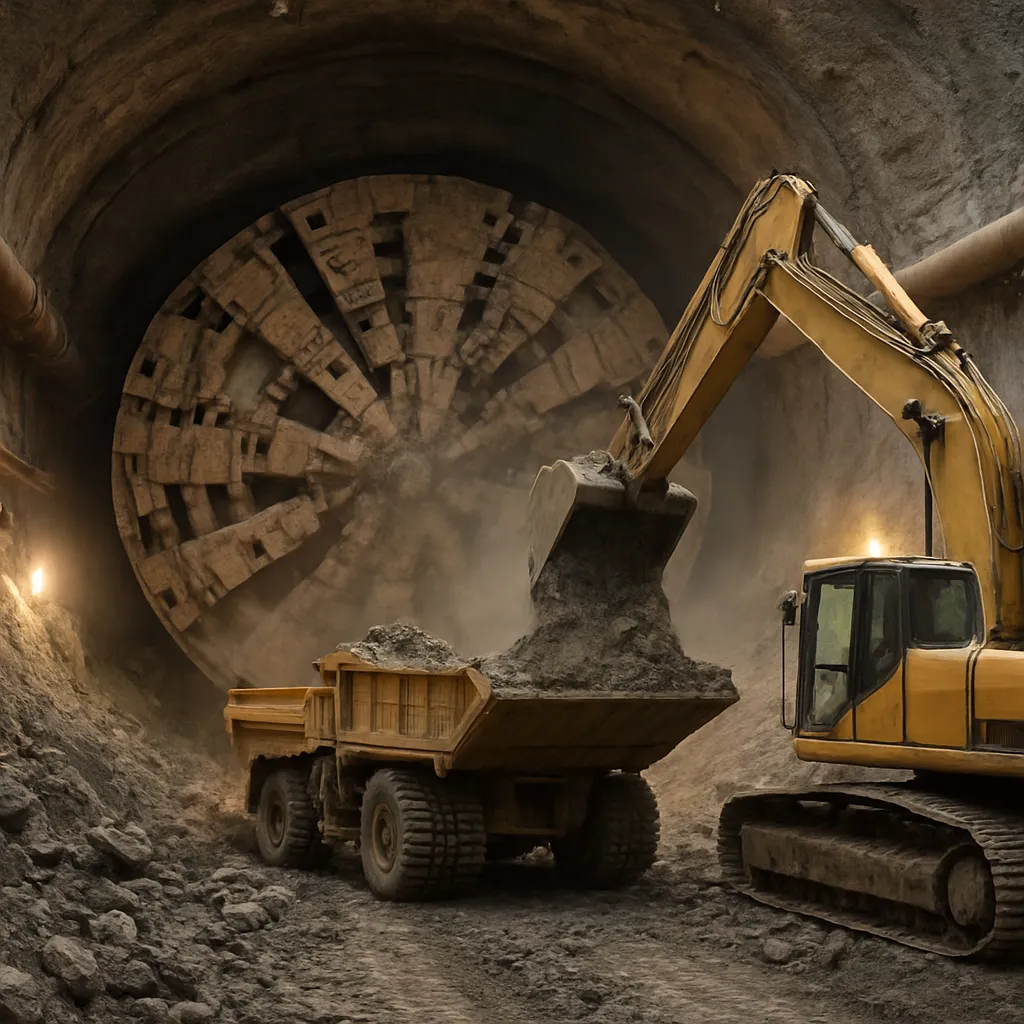
The monumental endeavor of carving massive passageways beneath the earth’s surface relies on a fusion of cutting-edge machinery, meticulous planning, and relentless innovation. Mega-tunnel projects promise transformative benefits for urban transit, water management, and energy distribution, yet they demand mastery of complex geological and engineering variables. This article delves into the machines that make these subterranean marvels possible, examining their design, operation, and future potential.
The Technology Behind Tunnel Boring Machines
Tunnel Boring Machines (TBMs) stand at the heart of every large-scale underground excavation project. These colossal behemoths combine automation, precision, and raw power to cut through diverse subterranean strata. A typical TBM comprises the following components:
- Cutterhead: The rotating front end equipped with disc cutters or drag bits that fracture rock and soil.
- Thrust System: Hydraulic cylinders that push the cutterhead forward against the tunnel face.
- Conveyor Belt: A continuous mechanism that transports excavated material away from the face.
- Segment Erector: An internal robotic arm that places prefabricated lining segments to support the tunnel.
- Control Cabin: A high-tech command center where operators monitor sensors and adjust parameters in real time.
Cutting-Edge Components
Modern TBMs integrate advanced materials such as diamond-tipped cutters for maximum durability. Smart sensors embedded around the cutterhead measure parameters like torque, temperature, and vibration, feeding data to an AI-driven control system that optimizes cutting rates while preventing damage. This level of real-time analysis dramatically reduces downtime and enhances safety.
Automation and Remote Operation
As projects push deeper beneath urban centers or under challenging environments like rivers and mountains, remote operation becomes indispensable. Sophisticated teleoperation platforms allow engineers to oversee boring activities from surface-level control rooms, minimizing personnel risk. Through high-definition cameras and 3D mapping, operators can fine-tune cutter alignment with millimeter accuracy.
Engineering Challenges and Solutions
Beneath the ground, conditions can shift abruptly from stable sandstone to water-saturated clay, presenting an engineering labyrinth. Addressing these challenges demands comprehensive geotechnical studies and adaptive machinery.
- Variable Ground Conditions: Changing soil and rock types require quick adjustments in cutterhead design and thrust pressure. TBMs with interchangeable tooling modules can adapt on the fly.
- Water Ingress: High groundwater pressure poses flooding risks. Pressurized-face TBMs maintain counterpressure in the excavation chamber to keep water at bay.
- Settlement Control: Excessive surface settlement threatens existing structures. Ground reinforcement techniques—such as grouting and ground freezing—are deployed ahead of the TBM.
Grouting and Pre-Excavation Treatment
To stabilize loose or porous ground, engineers inject cementitious or chemical grouts into surrounding strata. This process solidifies the soil matrix, reducing the risk of collapse. In water-bearing zones, ground freezing uses circulated refrigerant to create an ice wall that temporarily holds back water and consolidates sediments.
Segmental Lining Installation
After each advance, TBMs deploy precast concrete rings around the tunnel perimeter. These segments are typically reinforced with steel and designed to interlock, forming a continuous lining that resists earth pressures. The segment erector robotically installs each piece, sealing joints with gaskets to ensure waterproofing and structural integrity.
Environmental and Safety Considerations
Underground mega-tunnels can yield significant environmental gains, such as reduced surface congestion and lower carbon emissions. Yet, they also pose safety and ecological concerns that demand foresight and mitigation strategies.
- Vibration and Noise: TBM operations generate vibrations that may affect nearby buildings. Early-warning systems monitor ground motion in real time.
- Spoil Management: Excavated material, or spoil, must be handled responsibly. Many projects recycle spoil for backfill or aggregate in concrete production.
- Energy Consumption: TBMs consume vast power. Integrating renewable energy sources and energy-recovery technologies can reduce the carbon footprint.
Worker Safety Protocols
Inside confined tunnels, hazards range from equipment malfunctions to harmful gases. Rigorous safety standards, including atmospheric monitoring, emergency egress routes, and regular safety drills, protect onsite personnel. Robotics and remote monitoring further minimize human exposure to high-risk zones.
Minimizing Ecological Impact
Through proactive planning, mega-tunnel projects can avoid sensitive habitats and minimize groundwater contamination. Environmental impact assessments guide route selection, while continuous ecological monitoring helps detect and mitigate unforeseen effects on flora and fauna.
Future Developments in Underground Construction
The future of subterranean infrastructure hinges on relentless innovation in both machinery and materials. Emerging trends promise to reshape how we design and build below ground.
- Robotic TBMs: Fully autonomous boring machines capable of self-diagnosis, maintenance, and adaptive tool changes.
- Smart Linings: Advanced segment materials with embedded sensors for long-term structural health monitoring.
- Hybrid Excavation: Combining mechanical cutting with waterjet or thermal lance technologies to slice through exceptionally hard rock.
- Digital Twins: Real-time virtual replicas of the tunnel and TBM, enabling predictive maintenance and dynamic project adjustments.
Integration with Urban Planning
As cities grow denser, mega-tunnels will interconnect transit, utilities, and even data networks in multi-level underground systems. This interconnectivity demands close collaboration between planners, engineers, and machine designers to create cohesive, resilient subterranean ecosystems.
Advances in Material Science
Next-generation segment linings may incorporate self-healing concrete and nanomaterials that actively repair microcracks. Such breakthroughs will extend service life and reduce maintenance costs, ensuring that our underground arteries remain sustainable and durable for decades to come.