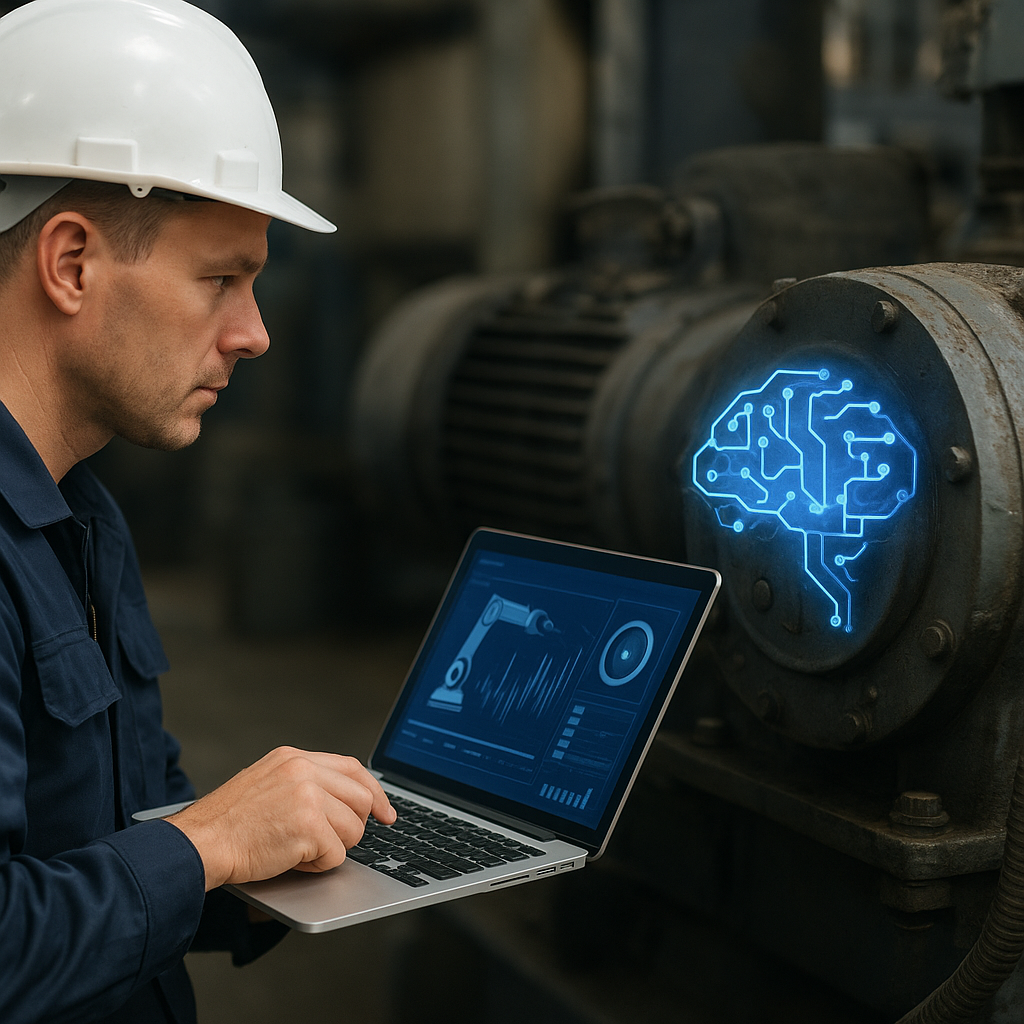
Machines hum with precision and purpose across countless industries, silently shaping the world around us. From assembly lines in factories to turbines generating power, the seamless operation of equipment underpins modern life. Yet every gear, belt, and circuit board faces the relentless passage of time and stress. Harnessing the power of artificial intelligence to forecast when a component might fail has revolutionized the way we ensure consistent output and safety.
Predictive Maintenance and Wear Prediction
Condition Monitoring and Data Acquisition
Continuous measurement lies at the heart of effective maintenance. Advanced sensors capture vibration, temperature, pressure, and acoustic signals. By streaming this raw information into central platforms, engineers gain real-time insights into the condition of machinery. High-fidelity data fuels robust models that learn patterns of normal operation versus emerging faults.
Machine Learning Algorithms
Artificial intelligence systems utilize a variety of algorithms—from regression analysis to complex neural networks—to discern subtle deviations. Techniques such as support vector machines and deep learning excel at identifying incipient defects. Over time, these models refine their predictions, enabling technicians to plan interventions before breakdowns occur.
Feature Extraction and Diagnostics
- Spectral Analysis separates frequency components to reveal imbalance or misalignment.
- Wavelet Transforms localize transient events for early crack detection.
- Statistical Indicators (mean, kurtosis, skewness) highlight anomalies in operational behavior.
Effective diagnostics depend on isolating the most valuable features that correlate with wear, ensuring accurate and timely alerts.
Real-World Applications in Industries
Manufacturing and Assembly Lines
Production floors employ AI-driven systems to monitor robotic arms, conveyor belts, and stamping presses. By predicting when motors need lubrication or parts require alignment, companies maximize reliability and minimize unplanned downtime. Workshops can adjust maintenance windows to match actual usage rather than fixed schedules, driving efficiency gains across the board.
Energy Sector and Turbines
Wind turbines and gas compressors operate under extreme conditions. Sensors measure blade vibration and gearbox temperature to forecast wear in critical components. AI models alert field teams to pending faults, allowing for targeted servicing and avoiding catastrophic failures that could halt power generation.
Automotive and Aerospace Testing
In test rigs and on-road trials, vehicles generate terabytes of telemetry. AI sifts through this torrent of data to predict when brake pads, bearings, or transmission elements will reach end-of-life. Airlines also leverage similar techniques to assess turbine engine health, ensuring passenger safety and scheduling inspections proactively.
Benefits and Challenges
Key Advantages of AI-Driven Maintenance
- Cost Reduction: Preventing unscheduled stops saves on emergency repairs and logistics.
- Extended Asset Life: Timely interventions slow wear and extend equipment longevity.
- Enhanced Safety: Early fault detection mitigates risk of accidents and injuries.
- Optimized Scheduling: Maintenance events align with production needs, maximizing output.
These improvements translate into a direct boost in overall performance and competitiveness for businesses of all sizes.
Technical and Operational Hurdles
Despite the promise of AI, organizations face several challenges:
- Data Quality: Incomplete or noisy sensor readings can impair model accuracy.
- Integration: Merging legacy equipment with modern monitoring platforms demands careful planning.
- Scalability: Processing and storing high-volume data streams requires robust infrastructure.
- Security: Protecting sensitive operational data from cyber threats is essential.
Overcoming these obstacles requires cross-disciplinary collaboration among engineers, data scientists, and IT specialists.
Emerging Trends and Future Directions
Edge Computing and On-Device Analytics
Deploying AI algorithms directly on sensors and gateways reduces latency and bandwidth usage. Edge devices perform preliminary analysis, sending only relevant events to central servers. This distributed approach enhances scalability and fault tolerance, particularly in remote or bandwidth-limited sites.
Digital Twins and Simulation
Virtual replicas of physical assets enable operators to test what-if scenarios without halting production. By simulating wear scenarios and maintenance actions, engineers can refine strategies to maximize uptime and avoid unintended consequences from intrusive servicing.
Collaborative AI and Human Expertise
While AI excels at pattern recognition, experienced technicians bring contextual judgment that machines cannot replicate. Hybrid systems that offer recommendations rather than directives foster better decision-making, combining data-driven insights with frontline know-how.
Implementing a Predictive Maintenance Program
Strategic Planning
- Define clear objectives: downtime reduction, cost savings, safety enhancement.
- Assess current asset health and data readiness.
- Develop a phased rollout, starting with pilot assets to validate ROI.
Technology Selection
- Choose sensors capable of capturing required operational metrics.
- Select AI platforms offering customizable algorithms and intuitive dashboards.
- Ensure compatibility with existing enterprise systems (ERP, CMMS).
Training and Change Management
Successful adoption hinges on workforce engagement. Training programs should:
- Explain the value of predictive initiatives in everyday terms.
- Demonstrate new workflows for technicians and managers.
- Encourage feedback loops to refine system performance continuously.
By fostering a culture that embraces innovation, companies can unlock the full potential of optimization and condition-based maintenance.