In demanding industrial environments, maximizing machine uptime and minimizing wear are top priorities. Advanced lubrication systems have revolutionized how factories and plants approach equipment care, providing a foundation for reliability and peak efficiency. From precision manufacturing lines to heavy-duty earthmovers, these systems ensure that each moving part remains protected against friction, corrosion, and thermal stress. By automating lubrication schedules and leveraging real-time data, companies can safeguard asset durability and drive truly cost-effective operations while supporting long-term sustainability.
The Role of Lubrication in Machine Performance
Proper lubrication goes beyond simply reducing friction between contacting surfaces. It plays a multifaceted role in maintaining overall machine performance:
- Friction control – A consistent lubricating film prevents metal-to-metal contact, lowers operating temperatures, and inhibits abrasive wear.
- Heat dissipation – High-quality lubricants absorb and carry away excess heat, stabilizing operating conditions and reducing thermal fatigue.
- Contaminant exclusion – Lubrication forms a barrier that blocks ingress of moisture, dust, and corrosive agents, protecting critical bearings and gears.
- Energy savings – By minimizing resistance, well-lubricated machines consume less power, translating into tangible cost reductions over time.
Without a robust lubrication strategy, equipment is prone to premature failures, unplanned downtime, and escalating repair expenses. Integrating precise lubrication management is essential to uphold asset integrity and deliver consistent production output.
Innovations in Advanced Lubrication Systems
Recent technological breakthroughs have transformed how lubrication is delivered and monitored. Key innovations include:
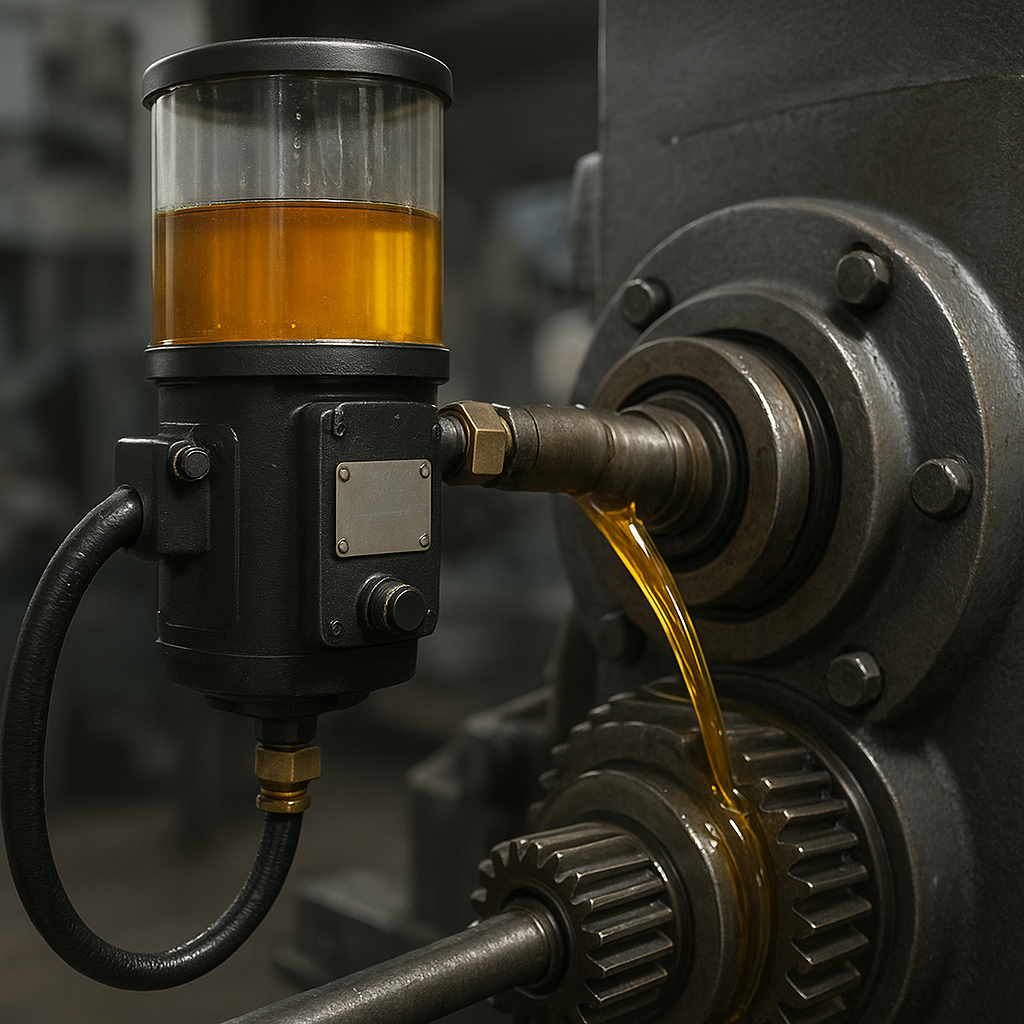
- Automated centralized systems – Programmable units distribute precise lubricant volumes to multiple lubrication points on a fixed schedule, eliminating manual errors and ensuring uniform coverage.
- Smart sensors and condition monitoring – Inline sensors measure parameters such as temperature, pressure, and lubricant viscosity in real time, triggering alerts when service is needed.
- Adaptive control algorithms – Machine learning models analyze operational data to modify lubrication intervals based on actual equipment loads and environmental conditions.
- High-performance synthetic and nanolubricants – Advanced base oils and additives reduce friction coefficients, enhance film strength, and extend relubrication intervals significantly.
- Biodegradable and food-grade formulations – Environmentally friendly lubricants meet stringent regulations in sensitive industries like food processing and pharmaceuticals.
By combining these technologies, maintenance teams can shift from routine schedules to truly predictive practices, allocating resources more effectively and eliminating unnecessary interventions.
Real-World Applications and Benefits
Advanced lubrication solutions have been successfully deployed across various sectors:
- Automotive assembly plants – Automated grease systems on conveyor chains and robotic joints have cut lubrication-related downtime by over 40% and extended component life cycles.
- Wind turbine operations – Remote lubrication monitoring in harsh, offshore environments prevents bearing failures and reduces maintenance trips, delivering reliable green energy generation.
- Paper and pulp mills – High-temperature processes benefit from synthetic oils that maintain consistent viscosity under extreme loads, reducing roll and press wear.
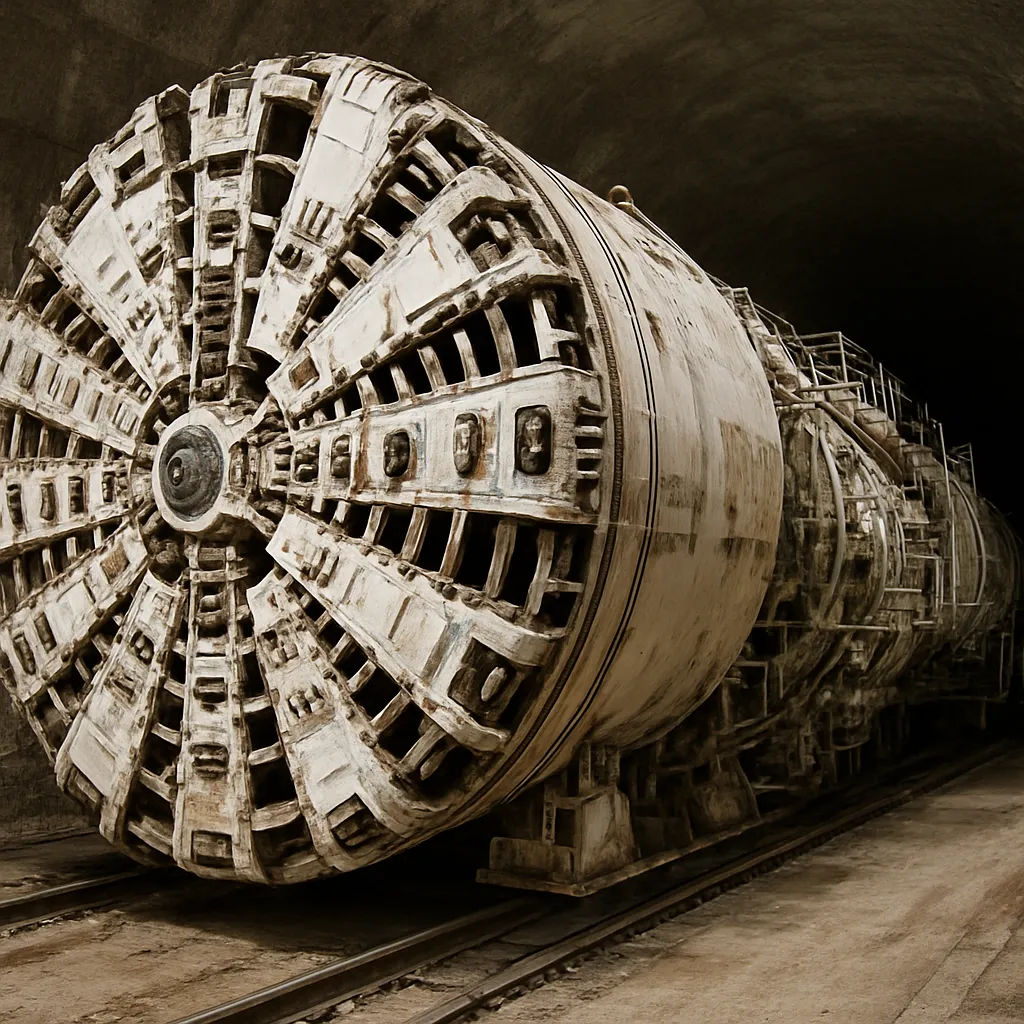
- Mining and construction machinery – Heavy loaders and excavators equipped with centralized lubrication circuits enjoy enhanced bearing protection and fewer service interruptions in dusty, abrasive sites.
Organizations adopting these systems report dramatic improvements in asset availability, lower spare parts consumption, and a marked decrease in emergency repairs. The cumulative impact drives better operational planning and elevates overall plant maintenance effectiveness.
Implementing an Effective Lubrication Strategy
To achieve optimal results, companies should follow structured best practices:
- Lubricant selection – Match lubricant type and viscosity grade to machine specifications, environmental conditions, and expected load cycles.
- System design and installation – Plan centralized or decentralized setups, piping layouts, and reservoir sizing to support all lubrication points without pressure loss.
- Scheduling and monitoring – Establish dynamic lubrication intervals based on sensor feedback, replacing fixed-time programs with data-driven triggers.
- Staff training and documentation – Empower maintenance technicians with detailed procedures, safety protocols, and record-keeping practices to track lubrication history.
- Regular audits and optimization – Conduct periodic reviews of lubricant condition, consumption rates, and system performance, adjusting parameters to continuously refine reliability.
Adhering to a systematic approach ensures that lubrication becomes a core pillar of asset management, rather than a reactive afterthought. With the right processes in place, organizations unlock long-term cost savings and productivity gains.
Future Trends in Machine Lubrication
The next frontier in equipment care will see deeper integration of digital technologies:
- Industrial AI platforms – Advanced analytics will predict wear patterns days or weeks ahead, enabling zero-unplanned-downtime strategies.
- Internet of Things (IoT) connectivity – Cloud-based dashboards will aggregate lubrication and operational data from sites worldwide, driving enterprise-wide insights.
- Self-healing lubricants – Emerging formulations infused with microcapsules will release healing agents in response to metal fatigue, autonomously repairing surface damage.
- Augmented-reality maintenance – Technicians using AR glasses will visualize lubrication points, flow rates, and system alerts in real time, reducing human errors.
- Collaborative robots – Cobots will perform precise greasing and oil top-ups in hazardous zones, minimizing worker exposure and ensuring consistent application.
As industries embrace these trends, lubrication will transition from a support function into a strategic differentiator, driving unprecedented levels of machine availability and operational excellence.