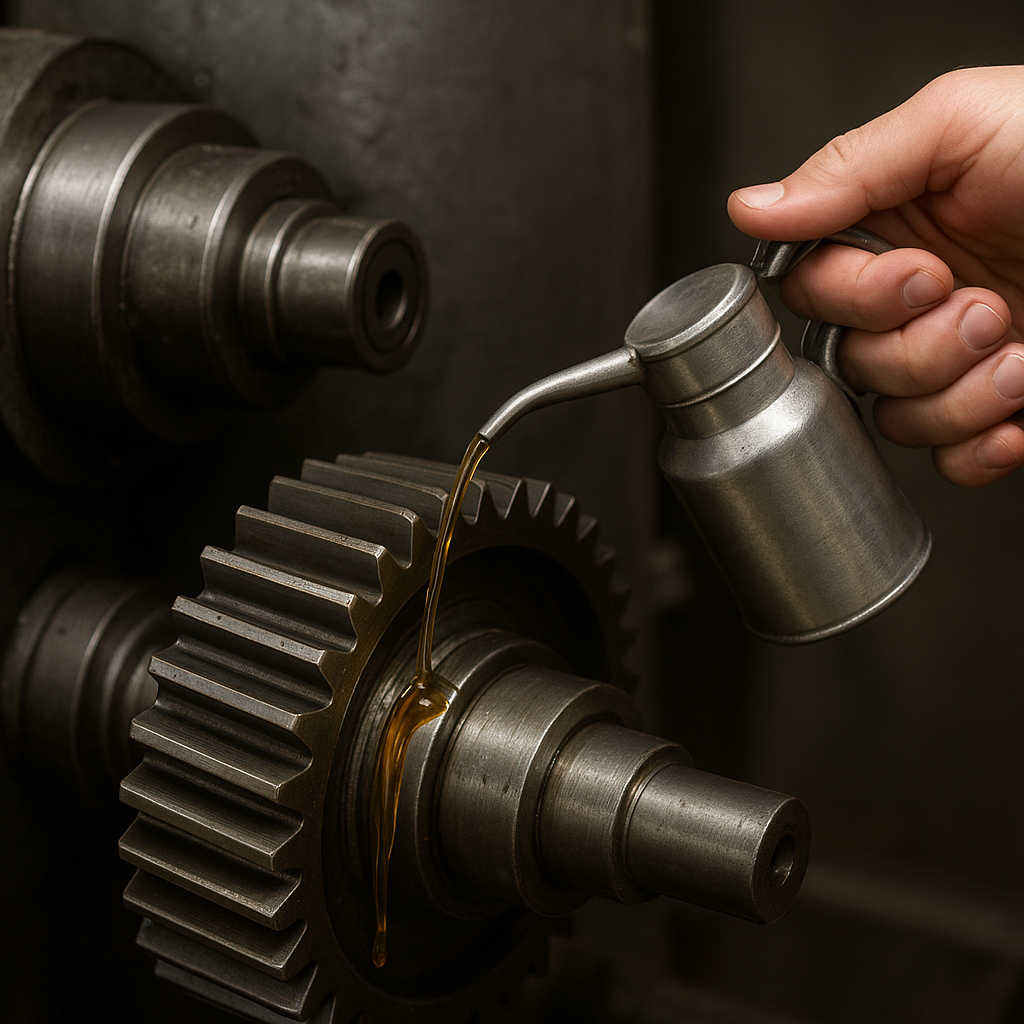
Industrial systems rely on a delicate interplay between moving components, each demanding precise attention to maintain peak performance. A careful study of **lubrication** science reveals critical relationships between **friction**, wear, and overall **efficiency**, shaping the way engineers design, operate, and sustain heavy-duty machinery. Understanding these fundamental principles is essential for companies striving to achieve maximum output, reduce downtime, and extend the service life of complex mechanical assemblies.
Understanding Friction and the Role of Lubrication
Every mechanical contact between surfaces generates **friction**, a resistive force that converts useful energy into unwanted heat. Left unchecked, this heat accelerates material **wear**, leading to performance degradation or catastrophic failures. Introducing the right lubricant acts as a fluid barrier, separating metal or polymer surfaces and creating a thin film that dramatically lowers direct contact.
Types of Lubrication
- Boundary Lubrication: Occurs when pressure forces lubricant film to thin, causing surface-to-surface interactions.
- Mixed Lubrication: Combines fluid-film behavior with partial asperity contact, balancing friction reduction against load capacity.
- Hydrodynamic Lubrication: Achieves a full fluid wedge, supporting large loads at moderate speeds with minimal solid contact.
Each regime demands specific lubricant properties—most notably **viscosity**, which dictates fluid film thickness under operating conditions. High-viscosity oils maintain separation at heavy loads but may increase resistance at low temperatures. Conversely, low-viscosity fluids improve start-up performance but risk boundary contact under extreme pressure.
Enhancing Machine Efficiency Through Precise Lubrication
Optimizing **efficiency** in industrial machinery hinges on selecting and applying the correct lubrication strategy. Precision matters: too much oil can cause fluid churning and energy loss, while too little invites overheating and accelerated component failure. Implementing an automated lubrication system ensures consistent dosing, minimizes human error, and extends maintenance intervals.
Key Performance Indicators
- Energy Consumption: Monitored before and after lubrication adjustments to measure improvement.
- Surface Temperature: Thermal imaging highlights hot spots caused by insufficient film thickness.
- Vibration Analysis: Detects changes in mechanical resonance due to uneven wear or misalignment.
By leveraging digital sensors and real-time data feedback, maintenance teams achieve **reliability** improvements across conveyor belts, gearboxes, bearings, and hydraulic circuits. Such proactive measures translate into cost savings, as well as increased uptime—critical in high-volume manufacturing and process industries.
Innovations in Sustainable Lubricants and Additives
Traditional petroleum-based oils are giving way to eco-friendly alternatives, addressing both environmental concerns and **sustainability** targets. Bio-based esters, synthetic hydrocarbons, and advanced additive packages now offer high thermal stability, biodegradability, and corrosion protection. These next-generation fluids extend change intervals and reduce waste disposal challenges.
Advanced Additive Technologies
- Friction Modifiers: Agents that chemically bond to metal surfaces to lower boundary friction coefficients.
- Anti-Wear (AW) Additives: Form sacrificial films under extreme pressure to protect gear teeth and bearing races.
- Antioxidants: Prevent oil oxidation, maintaining viscosity and acidity levels over prolonged service.
Incorporating nanotechnology-based particles further enhances load-carrying capacity, enabling equipment to operate at higher speeds or heavier loads without premature breakdown. Innovations focus on balancing performance gains with environmental compliance, meeting stringent global regulations while preserving the lifespan of critical assets.
Best Practices for Maintenance and Optimization
Effective **maintenance** programs integrate condition monitoring, scheduled inspections, and proactive lubrication management. Developing a comprehensive plan begins with mapping all rotating and reciprocating connections, specifying lubricant type, quantity, and re-lubrication intervals for each component.
Steps to Successful Implementation
- Baseline Assessment: Document current lubricant performance, contamination levels, and wear trends.
- Customized Lubrication Chart: Create detailed guides for each machine, including visual aids and torque settings for grease fittings.
- Training and Accountability: Educate technicians on best handling practices, storage requirements, and cleanliness protocols.
- Continuous Improvement: Analyze maintenance data quarterly, refining intervals and product selection to maximize ROI.
Applying these steps yields significant operational gains: reduced unplanned stoppages, fewer component replacements, and improved energy efficiency. The ultimate goal is **optimization**—fine-tuning every interaction within a machine to extract peak performance while minimizing resource consumption.
Implementing Predictive Analytics and Future Trends
Emerging digitalization trends are reshaping machine lubrication strategies. Predictive analytics, powered by IoT-enabled sensors and cloud computing, forecast lubrication needs long before critical thresholds are breached. This approach transitions maintenance from reactive or scheduled routines to intelligent, data-driven actions.
- Real-Time Monitoring: Continuously tracks lubricant properties (viscosity, moisture, particle count).
- Machine Learning Algorithms: Analyze historical patterns to predict contamination events or oil degradation.
- Automated Dispatch: Software triggers on-site or remote lubrication tasks only when necessary.
These advances promise to elevate reliability, cut operational costs, and support circular economy models by maximizing fluid reuse and minimizing waste. The synergy of **innovation**, digital tools, and advanced fluids will define the next generation of high-performance industrial systems.