
The CAT 770G is a heavy-duty off-highway truck widely used in industries that require moving large quantities of material quickly and reliably. Combining robust mechanical design with modern electronics and operator-focused features, the 770G has become a versatile choice for contractors, quarry operators, and medium- to large-scale mining operations. This article explores the machine’s design, typical specifications, real-world applications, maintenance and operational considerations, safety and technology features, and economic and environmental implications.
Overview and design
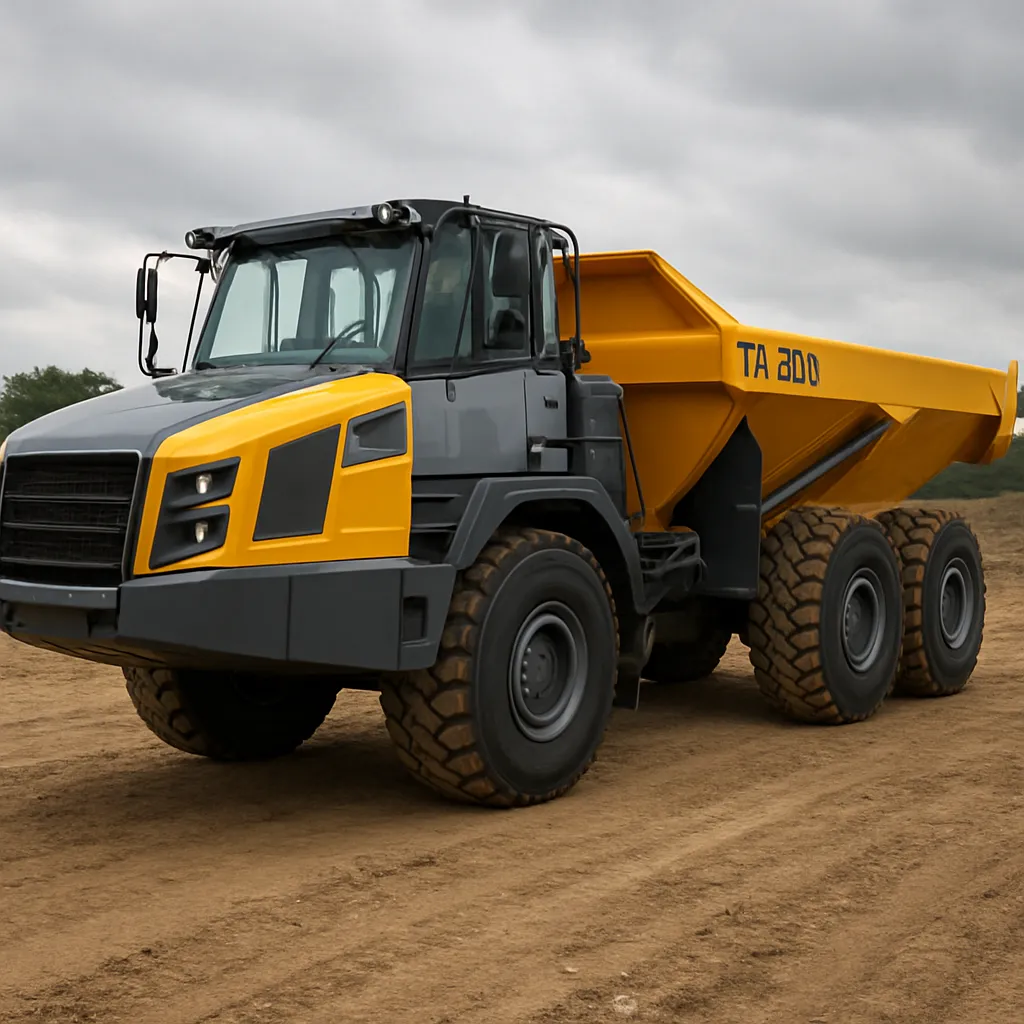
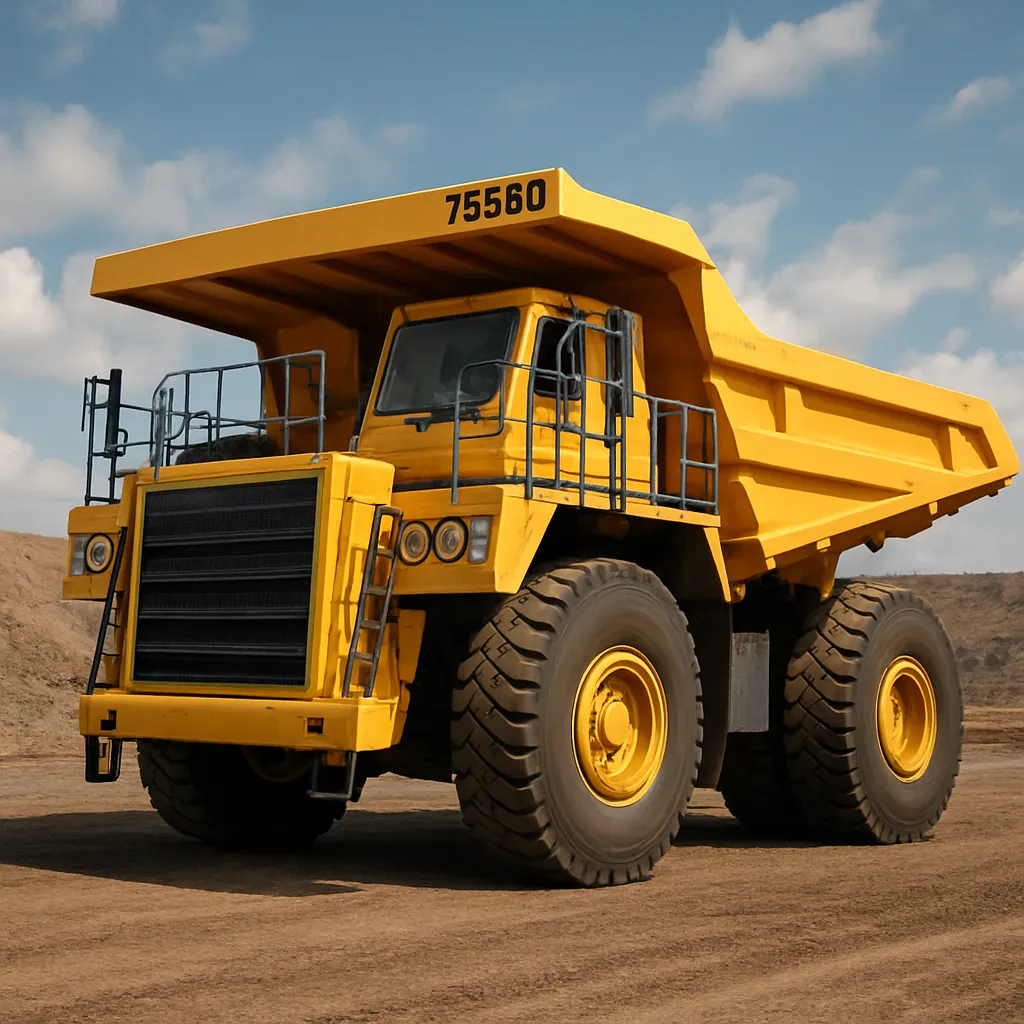
The CAT 770G is part of Caterpillar’s family of rigid-frame haul trucks designed for high productivity in challenging environments. Characteristically, the 770G features a heavy-duty chassis, a deep-section box-frame structure, and a dump body optimized for fast cycle times and even material distribution. Its design balances strength and serviceability: components that wear most—such as axles, bearings, and brake systems—are accessible for inspection and replacement without extensive disassembly.
Caterpillar engineers aimed to create a machine that combines durability with user-friendly servicing and modern controls. The cab is positioned and suspended to improve operator visibility and comfort, minimizing fatigue during long shifts. The truck’s layout typically integrates centralized access points for daily checks and filters, which lowers downtime and simplifies preventive maintenance routines.
Structural and mechanical features
- Rigid frame construction designed to withstand repetitive loads and reduce stress concentrations.
- Heavy-duty axles and final drives engineered for high torque transmission and longevity.
- Hydraulically actuated dump body with optimized geometry to aid material discharge and reduce cycle time.
- Robust braking system that often includes multiple-disc, oil-cooled brakes for fade resistance in demanding conditions.
- Service-friendly routing for major hoses and wiring harnesses to reduce abrasion and simplify replacement.
Technical specifications and performance
Exact specifications vary by market, production year, and optional configurations, but the 770G typically falls into the medium-heavy haul truck class. Below are representative figures and performance characteristics frequently associated with this model. Where exact numbers are subject to configuration, ranges are used to show typical operating values.
- Payload capacity: approximately 35–45 tonnes (depending on body and regional rating).
- Engine power: Diesel engine output typically ranges from 350–450 kW (roughly 470–600 hp), depending on emissions configuration and tuning.
- Operating weight: often in the 40,000–55,000 kg bracket, depending on attachments and body materials.
- Top speed: can vary, but many units reach between 40–60 km/h unloaded, with reduced speed under load for safety and braking reasons.
- Transmission: robust planetary-style powertrains with torque converters designed for heavy start-and-stop haul cycles.
- Fuel consumption: highly variable—typical fuel burn can be in the range of 30–70 L/h under heavy work, influenced by load, haul road conditions, and operator technique.
These figures give project planners a basis for estimating cycle times, fuel costs, and productivity. In practice, a 770G’s effective hourly production is a function of payload, cycle time (distance, loading/unloading delays, and speed), and availability.
On-board systems and telematics
Modern 770G trucks often include Caterpillar’s suite of electronic systems to improve productivity and fleet management. Typical systems include:
- Product Link telematics for remote health and location tracking.
- VIMS (Vital Information Management System) that aggregates engine, transmission, and brake health data.
- On-board weighing and payload management technologies to maximize load consistency and prevent overloading.
- Integration with fleet-management software for optimized dispatching and route planning.
Applications and real-world use cases
The CAT 770G is deployed across multiple industries where reliable movement of bulk material is essential. Typical applications include:
- Mining: Used in surface mines for moving ore, waste rock, and overburden between excavators and processing areas. The 770G is often selected in pits where medium payload capacity and maneuverability on switchbacks are required.
- Quarrying: Transporting aggregate, crushed stone, and raw materials from crushing plants to stockpiles or processing equipment.
- Civil construction: Large earthworks projects, highway construction, and dam building where high daily material movement is needed.
- Contracting and infrastructure: Road base projects, reclamation, and landfill operations where a durable, high-availability truck reduces total project time.
Beyond these standard deployments, specialty roles—like transporting oversize plant components within large sites—benefit from the 770G’s heavy-duty design and predictable handling. Contractors often pair the 770G with hydraulic excavators in the 30–60 t class for efficient loading cycles and balanced fleet productivity.
Operational efficiency, maintenance, and availability
Maximizing the value of a CAT 770G requires attention to both operator technique and preventive maintenance. These trucks are built to be serviceable, but their true productivity depends on minimizing unscheduled downtime and optimizing cycle times.
Maintenance best practices
- Follow manufacturer-recommended service intervals for engine oil, filters, transmission service, and final-drive inspections to preserve component life.
- Use telematics alerts (Product Link, VIMS) to identify trends—temperature spikes, oil contamination, or abnormal fuel consumption—before failures occur.
- Monitor brake condition and cooling systems closely; fade under continuous downhill loads can be a primary cause of unexpected downtime in haul trucks.
- Maintain clean cooling and intake systems to prevent derating in dusty environments; consider enhanced filtration packages in severe-service settings.
Routine checks and planned part replacements extend operational availability. Operators and fleet managers that invest in training and remote monitoring tend to realize significant life-cycle savings through reduced repairs and extended component life.
Operator techniques to improve productivity
- Consistent loading practices and correct material placement in the body maximize usable payload and reduce cycle variability.
- Smooth throttle application and gear selection reduce fuel consumption and mechanical stress, while minimizing tire wear.
- Route planning that reduces empty-haul travel and limits obstacles or steep grades yields meaningful fuel and time savings.
- Using on-board payload indicators helps prevent overloading, improving brake life and fuel efficiency.
Safety, ergonomics and technology
Safety is central to the design and operational philosophy of the 770G. Caterpillar integrates a range of safety-oriented components and design choices to protect operators and nearby workers.
- ROPS/FOPS-certified cabs to protect operators in rollover and falling-object scenarios.
- Enhanced visibility through strategically placed windows, mirrors, and optional rear-view cameras to reduce blind spots.
- Advanced braking systems and retarder options to manage downhill braking energy effectively.
- Electronic aids such as ground-speed-limiting, wheel-slip control, and traction adjustment to improve stability in adverse conditions.
- Integration with site-management systems (e.g., Cat MineStar or third-party platforms) for collision avoidance, geofencing and automated dispatching.
Operator comfort is another focal area. Well-designed seats, low-vibration cab mounting, climate control, and intuitive control layouts help reduce fatigue, which in turn improves safety and productivity over long shifts.
Economic and environmental considerations
When selecting a haul truck like the 770G, owners should weigh acquisition cost against life-cycle costs, availability, and environmental impact. The 770G’s robust design aims to lower the total cost of ownership through long service intervals and strong resale values.
Fuel and emissions
Fuel costs often dominate operating expenses for haul trucks. The 770G’s fuel consumption varies by duty cycle and operator behavior. Many operators focus on measures such as optimized route planning, load balancing, and idle-reduction programs to control fuel spending. Newer machines may offer improved engine tuning and after-treatment systems that reduce emissions while maintaining power and fuel efficiency.
Resale and lifecycle value
Proper maintenance, service history documentation, and telematics-tracked usage (hours, loads, duty cycles) help sustain resale values. Fleet managers who preserve records and perform scheduled component replacements often realize higher returns in secondary markets.
Variants, options and customization
In order to serve a range of operating environments, the 770G is commonly offered with multiple options and add-ons. Typical choices include:
- Different body styles (standard steel, abrasion-resistant, or high-capacity bodies).
- Enhanced filtration kits for extremely dusty sites.
- Advanced telematics packages and payload-monitoring integration.
- Specialized lighting, camera suites, and proximity-detection equipment for 24/7 operations.
- Upgraded cooling or braking packages for high-altitude or hot-climate operations.
Customization helps align the truck with specific site requirements and can substantially improve life-cycle performance when chosen to match operational realities.
Purchasing and fleet-integration considerations
Fleet owners and project managers considering the 770G should account for operational context: haul distances, average payload, terrain, and loading equipment. Key considerations during procurement include:
- Expected cycle times and the number of trucks needed to meet daily production targets.
- Compatibility with loaders and excavators to optimize loading efficiency.
- Availability of local dealer support and parts inventory to minimize downtime.
- Financing, warranty, and service-contract options that can shift risk and help control maintenance costs.
Leasing, renting, or short-term hire can be attractive for short projects or when seasonal demand fluctuates. Conversely, full ownership may be more economical for continuous, long-term operations that require consistent utilization of the asset.
Performance benchmarks and field statistics
Performance metrics for the 770G will vary by operation, but common benchmarking focuses on availability, fuel burn per tonne moved, mean time between failures (MTBF) for key components, and operating cost per hour. Typical field observations reported by operators (and reinforced by fleet telematics) include:
- Improved availability when preventive maintenance schedules are strictly followed—often exceeding 90% uptime in well-managed fleets.
- Fuel consumption sensitivities: a 10–20% improvement is possible with optimized operator training and route design.
- Payload consistency and correct loading are major drivers of cost-per-ton, with overloading causing disproportionate wear and increased fuel use.
- Component life (e.g., brake packs, tires, and final drives) is closely tied to site conditions and operator behavior; abrasive rock and aggressive braking shorten typical replacement intervals.
Common challenges and mitigation strategies
Operating a 770G in real-world conditions presents challenges that can be mitigated by proper planning and technology use. Common issues and responses include:
- Dust and contamination: Install upgraded filtration, increase inspection frequency, and use remote monitoring to catch early signs of wear.
- Brake overheating on long descents: Plan haul roads with gentler grades where possible, and use retarding systems to reduce brake load.
- Tire wear and damage: Implement proper tire management, choose appropriate tire compounds, and avoid sharp turn-and-brake combinations that accelerate wear.
- Unplanned downtime: Leverage telematics and predictive maintenance programs to anticipate failures and schedule repairs proactively.
Final notes on capability and selection
The CAT 770G is a capable, mid-to-large class haul truck that suits a wide range of surface mining, quarry and heavy-construction applications. Its strengths include a robust mechanical base, available modern electronics for fleet and health management, and a design oriented toward operator comfort and serviceability. When matched appropriately to site requirements—and supported with disciplined maintenance, operator training, and telematics—the 770G can be a high-value asset that contributes to predictable, efficient material movement at scale.
Key words: Caterpillar, 770G, haul truck, payload, engine, torque, fuel efficiency, mining, maintenance, safety
)
)