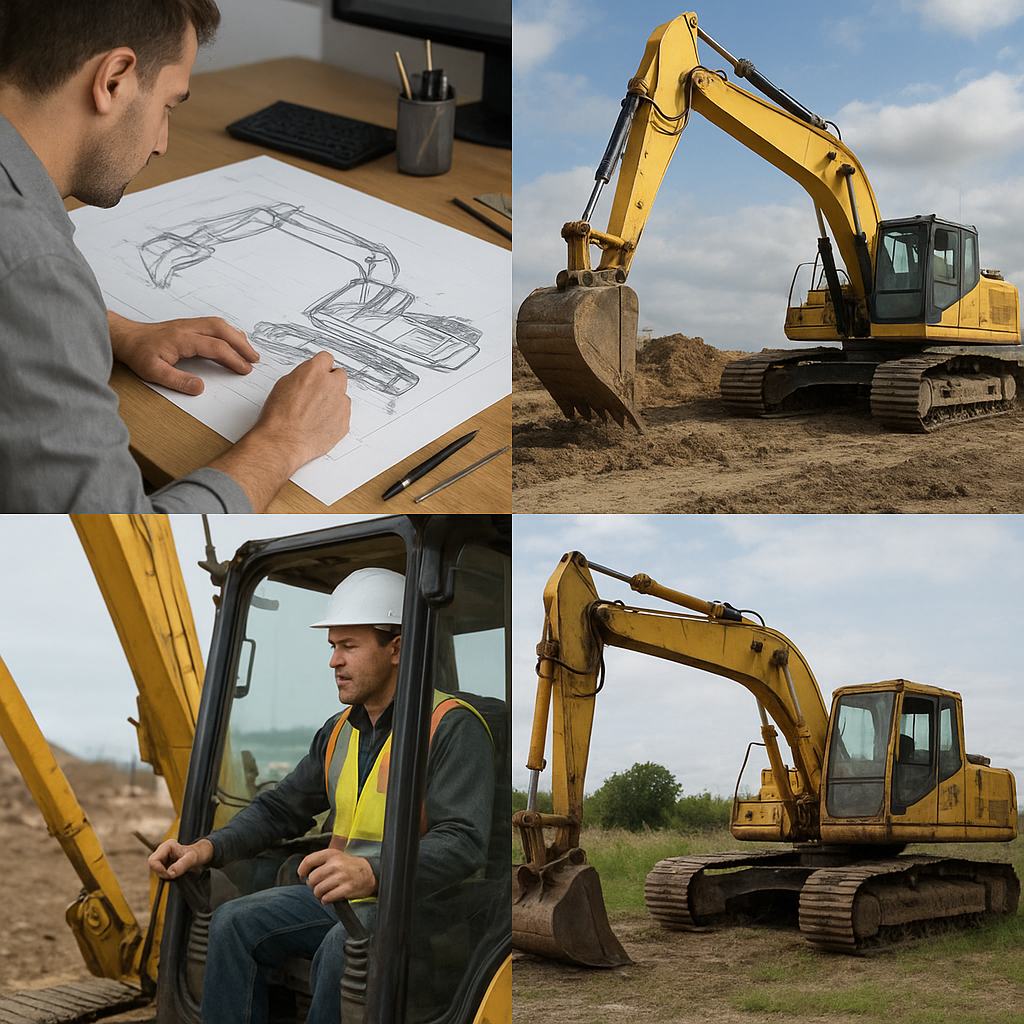
Construction equipment stands as a testament to human ingenuity, reshaping landscapes and propelling industries forward. From towering cranes lifting steel beams high above city streets to powerful excavators carving foundations deep into the earth, these machines demonstrate the fusion of engineering, technology, and human skill. This exploration unveils the journey of a construction machine—from initial concept to final decommission—highlighting the critical milestones that define its service life.
Conceptualization and Design
The birth of any heavy-duty piece of equipment begins in the minds of design teams tasked with transforming visionary ideas into feasible blueprints. This phase blends creativity with rigorous analysis to ensure every component meets expectations for durability and performance.
Market Research and Requirements
- Understanding customer needs: load capacity, maneuverability, fuel consumption
- Regulatory compliance: emissions standards, noise restrictions, operator protection
- Competitive analysis: benchmarking against existing excavators, loaders, and cranes
Computer-Aided Engineering
Advanced software tools enable engineers to run stress simulations on structural elements, predict fatigue life under cyclic loads, and optimize hydraulic circuits for maximum efficiency. Iterative prototyping often leads to innovative solutions, such as lightweight alloy frames or modular attachments that extend machine versatility.
Manufacturing and Assembly
With finalized designs in hand, factories shift into high gear. This stage transforms raw materials into finished assemblies through a series of tightly controlled operations.
Production of Key Components
- Metal casting and forging: foundation for booms, chassis, and counterweights
- Precision machining: creating hydraulic cylinders, gearboxes, and axles within micron-level tolerances
- Surface treatment: applying anti-corrosion coatings and heat treatments to bolster long-term resilience
System Integration
Once individual parts are ready, skilled technicians carry out the integration of engines, hydraulic pumps, electronic control units, and cabs. Rigorous quality checks—ranging from pressure tests on hoses to software diagnostics—ensure each machine meets strict safety protocols before leaving the assembly line.
Commissioning and Field Testing
A newly built machine undergoes a battery of trials designed to validate real-world functionality. On-site test tracks simulate rough terrain, steep inclines, and heavy-load cycles.
- Performance validation: verifying lifting speeds, digging force, and torque output
- Operator ergonomics: assessing seat comfort, control responsiveness, and visibility lines
- Telematics calibration: enabling remote monitoring of fuel usage, uptime, and maintenance alerts
Successful completion of these evaluations paves the way for customer delivery, backed by warranties reflecting expected mean time between failures.
Operational Phase and Maintenance
Once in active service, a construction machine enters its most productive years. Operators rely on its safety features and robust construction to tackle demanding projects in mining, infrastructure, and building sectors.
Routine Maintenance
- Daily inspections: checking fluid levels, lubricating pivot points, examining tires or tracks
- Scheduled servicing: replacing filters, testing hydraulic pressures, calibrating sensors at predefined hour intervals
- Condition-based monitoring: leveraging telematics data to flag potential failures before they occur
Operator Training
Investing in skilled operators maximizes machine uptime and reduces wear. Training programs cover efficient maneuvering techniques, fuel-saving practices, and advanced controls for attachments like breakers or augers.
Upgrades and Modernization
To extend service life and boost productivity, many owners choose to retrofit existing equipment with the latest technologies. These upgrades can yield significant gains in innovation and operational returns.
- Hybrid power systems: integrating electric drives alongside diesel engines to cut fuel costs and emissions
- Advanced automation: installing semi-autonomous control modules for repetitive tasks
- Connectivity enhancements: adopting cloud-based platforms for real-time performance analytics and predictive maintenance alerts
Through targeted modernization, machines can remain competitive and meet evolving environmental regulations, ensuring future viability in the marketplace.
End-of-Life and Retirement
Eventually, every heavy-duty machine reaches its twilight years, when repair costs outweigh the benefits of continued operation. The focus shifts to responsible disposal and resource recovery to support a circular economy.
Decommissioning Procedures
- Fluid drainage: safely removing oils, coolants, and hydraulic fluids for recycling or disposal
- Hazardous material handling: extracting lead-acid batteries and rare-earth magnets from electric components
- Component harvesting: salvaging engines, pumps, and electronic modules for use as spare parts in other units
Recycling and Material Reuse
Steel, aluminum, and copper recovered from scrap structures feed back into metal mills. Rubber tracks and tires may find new life as road surfaces or playground flooring. This commitment to sustainability reduces waste and conserves valuable natural resources.
Future Perspectives
The construction industry continues to embrace new frontiers—embracing automation and digitalization to enhance precision, cut environmental footprints, and elevate safety standards. Emerging trends such as 3D-printed components, fully autonomous machinery, and hydrogen-powered engines promise to redefine the life cycle of the next generation of equipment. By understanding each phase—from design through retirement—stakeholders can optimize value, extend productive service, and contribute to a more resilient, efficient construction ecosystem.