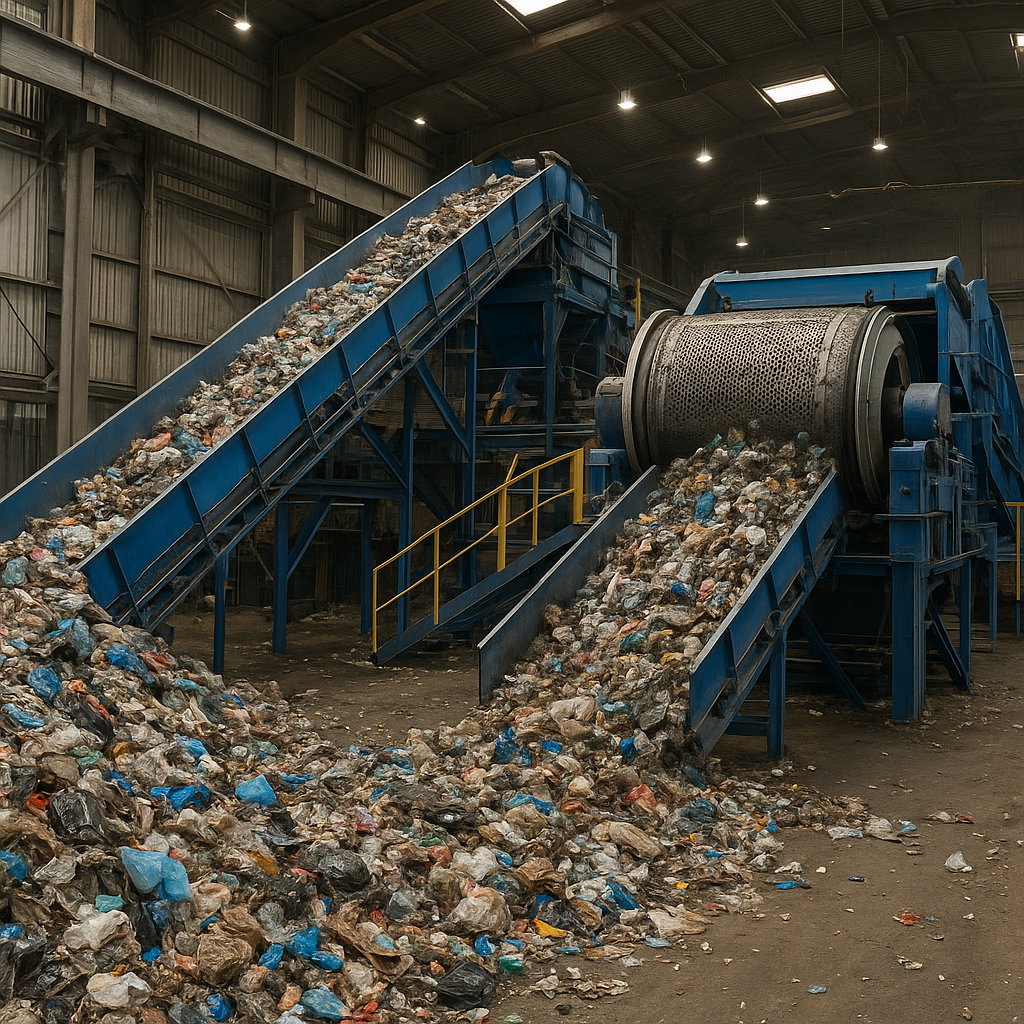
Recycling plants operate as dynamic hubs where waste transforms into valuable resources through a blend of advanced automation and human oversight. By harnessing cutting-edge robotics systems alongside precision-engineered screens and conveyors, facilities maximize efficiency while minimizing energy consumption and labor-intensive tasks. This article delves into the key stages of mechanical recycling, showcasing how next-generation machines tackle complex waste streams, maintain product quality, and push the boundaries of modern sustainability.
Innovative Sorting Technologies
Effective sorting represents the foundation for any high-performing recycling operation. Without accurate separation, downstream processes suffer from contamination that reduces the purity of recycled outputs and increases operational costs. Leading plants employ a variety of specialized machines to identify and classify materials according to size, weight, color, and chemical composition.
Optical and Near-Infrared Sensors
Optical sorters leverage high-speed cameras and sensors that scan material on a moving conveyor belt. When a target item—such as a clear PET bottle or colored glass fragment—is detected, the system triggers a rapid burst of compressed air to divert it into a designated bin. Near-infrared (NIR) technology further refines this process by analyzing the spectral signature of plastics, enabling precise separation of PE, PP, and PVC even when labels obscure composition.
Magnetic and Eddy Current Separation
Ferrous metals like steel and iron are removed using strong magnetic drums, while non-ferrous metals (aluminum, copper) pass beneath an eddy current separator, which induces currents that repel these materials away from the main stream. This dual approach ensures maximum recovery of metal resources with minimal manual sorting.
- High-voltage magnetism for ferrous extraction
- Alternating magnetic field for non-ferrous rejection
- Adjustable conveyor speeds to optimize throughput
Advanced Processing Machines
Once materials are sorted, a sequence of specialized equipment takes over to transform loose waste into compact, marketable bales or pellets. Each machine contributes to resource recovery by performing tasks such as size reduction, drying, and density improvement.
Shredders and Granulators
Industrial shredding machines reduce bulky items—cardboard, plastic containers, electronic components—into smaller fragments. These units feature hardened steel blades that can be adjusted for various feedstocks, ensuring uniform particle size. Granulators follow shredders in facilities that produce plastic flakes, further refining particle dimensions to enhance melt quality during extrusion.
Washing and Drying Systems
Clean material streams are critical for manufacturing virgin-grade products. After size reduction, materials often proceed through dense-media or friction washers to remove inks, adhesives, and residues. In the drying stage, centrifugal dryers and pneumatic systems evacuate moisture, enabling efficient processing in pelletizers and extrusion lines.
Baling and Compaction
Before shipping, recyclables are typically compressed into bundles using baling presses. These machines employ hydraulic pistons to generate thousands of pounds of force, compacting materials into standardized blocks that simplify logistics and reduce transportation costs. Automated tying systems secure each bale with wire or strap, readying them for storage or export.
Integration and Future Trends
As global recycling demands intensify, integration of real-time monitoring, artificial intelligence, and modular design becomes essential. Plants that embrace Industry 4.0 principles can dynamically adjust to fluctuations in incoming waste streams and market prices, ensuring resilient operations and continuous improvement.
IoT-Driven Monitoring
Internet of Things (IoT) devices installed on conveyors, balers, and shredders provide live data on temperature, vibration, and energy draw. By analyzing this information through cloud-based platforms, maintenance teams can predict equipment failures before they happen, reducing downtime and optimizing overall efficiency.
Robotic Pick-and-Place Cells
High-speed robotic arms equipped with vacuum grippers or specialized claws handle irregular items that challenge traditional sorters. Thanks to machine-learning algorithms, these robots learn to recognize new shapes and materials, increasing recovery rates for hard-to-process waste.
Modular Processing Lines
Adaptive facilities feature plug-and-play processing modules that allow quick reconfiguration. Should a plant receive more packaging materials than electronic scrap, operators can rearrange modules—optimization cells, densifiers, or pelletizers—within hours, ensuring peak performance across diverse material streams.
- Real-time quality feedback loops for quality control
- Energy recovery systems tied to on-site power grids
- Scalable designs for small and large-scale operations
Challenges in Machine-Centric Recycling
Embedding complex technology into waste management does not come without hurdles. Plants must balance capital costs, ongoing maintenance, and training requirements to keep machines running optimally.
Wear and Tear Issues
Abrasive materials—stone-laden concrete, metal shards—accelerate blade wear in shredders and granulators, demanding frequent replacement. Implementing predictive maintenance through vibration monitoring and thermal imaging extends machine life and reduces unexpected shutdowns.
Energy Consumption
Heavy-duty pressing, heating, and motor-driven machinery can draw significant power. Many facilities mitigate this by incorporating solar panels, waste-heat recovery units, or on-site cogeneration plants, boosting overall sustainability metrics.
Navigating Regulatory Standards
Compliance with environmental guidelines—air emissions, wastewater discharge, noise levels—requires careful integration of scrubbers, filters, and mufflers. Upgrading existing installations to meet stricter regulations demands both technical expertise and financial investment.
Emerging Innovations
Research labs and startups are driving the next wave of recycling technology. From enzymatic depolymerization of plastics to advanced sensor fusion, the future promises even greater material recovery rates with reduced environmental footprints.
Chemical Recycling Reactors
Catalytic units break down mixed plastic streams into monomers, enabling the recreation of virgin-grade polymers. Although still in pilot phases, these reactors have the potential to resolve persistent contamination challenges.
AI-Assisted Inspection
Deep-learning models analyzing high-definition camera feeds can detect microplastics and composite materials at speeds far surpassing human capabilities. Such systems continuously refine their accuracy, adapting to new waste compositions in real time.
Zero-Waste Facility Concepts
Some pioneering plants aim to achieve complete circularity by integrating upcycling units alongside traditional recycling lines. In these setups, residual waste that cannot be recycled mechanically is processed thermochemically or converted into biofuels, striving for minimal landfill dependency.
Efficient recycling hinges on the synergy between robust machinery, advanced analytics, and proactive management. As technologies evolve, plants that embrace innovation stand to reduce costs, enhance environmental performance, and contribute significantly to a resilient circular economy.