In the realm of agriculture, the synergy between human expertise and mechanical prowess has reshaped landscapes and livelihoods worldwide. As fields expand and harvest seasons tighten, the demand for robust equipment capable of delivering higher yields with minimal waste has grown exponentially. From the humble plow to the towering combine harvester, progress has been driven by relentless pursuit of efficiency, enhanced productivity, and enduring sustainability. This article explores how modern harvesters and allied implements have revolutionized farming, delving into their historical evolution, integration with precision systems, ecological and economic impacts, and the cutting-edge innovations that promise to redefine agriculture in the decades ahead.
Evolution of Agricultural Machinery
The evolution of farm equipment traces a journey from rudimentary manual tools to highly specialized, multi-functional machines. Mechanization began in earnest during the Industrial Revolution, when steam and later internal combustion engines powered implements that once relied solely on animal or human labor. The adoption of mechanized plows, seed drills, and threshers marked a turning point, unlocking unprecedented gains in speed and scale. Over the centuries, incremental enhancements have produced today’s sophisticated combines, balers, and sprayers—each designed to maximize output while minimizing input.
- Transition from animal-drawn implements to engine-driven solutions
- Modular design for adaptability across crops and terrains
- Integration of hydraulics and electronic controls for user comfort
Early Innovations
Early pioneers like John Deere and Cyrus McCormick laid the groundwork for mechanized harvesting with steel plows and horse-drawn reapers. These inventions reduced labor intensity and expanded arable acreage. By the late 19th century, steam traction engines powered portable threshing machines, demonstrating the transformative power of technology in overcoming bottlenecks that once defined agricultural rhythms.
Rise of Combines
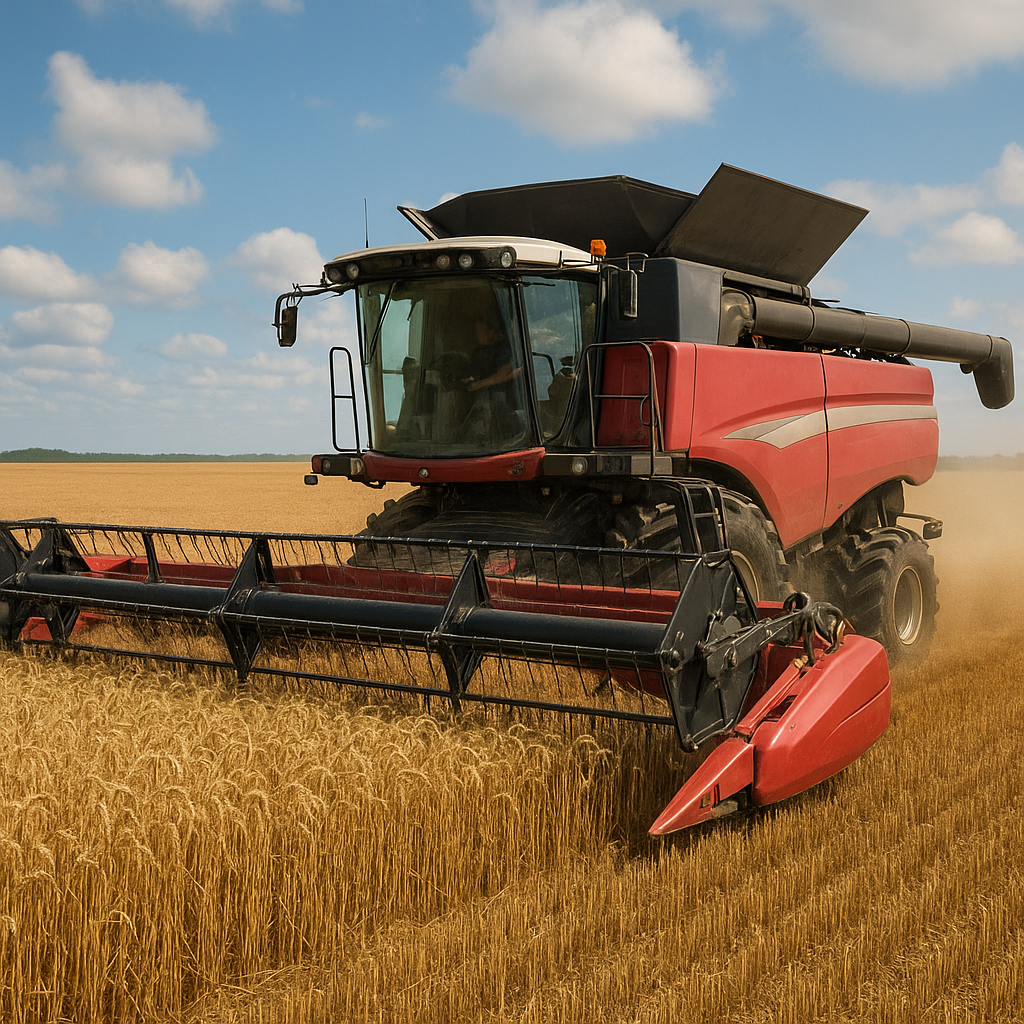
Combines emerged in the early 20th century, consolidating reaping, threshing, and winnowing into a single process. Continuous improvements—such as adjustable headers, straw walkers, and grain tanks—elevated these machines into indispensable assets. The introduction of diesel engines in the 1930s bolstered reliability and torque, enabling larger headers and extended field operations. Today’s combines feature wide cutting platforms, multi-speed ground drives, and precision feeders that ensure minimal grain loss and consistent throughput.
Modern Harvesters and Precision Farming
Modern harvesters do more than cut and collect crops; they serve as mobile data centers, optimizing every facet of the operation. Equipped with onboard computers, sensors, and connectivity modules, contemporary machines enable farmers to monitor performance metrics in real time. This integration of hardware and software epitomizes the marriage of automation and precision, ensuring that each pass over the field contributes to a comprehensive understanding of soil conditions, crop health, and yield variability.
Precision Seeding and Yield Mapping
Yield mapping technology records the amount of harvested crop at precise GPS coordinates, producing detailed productivity maps. These data layers inform variable-rate seeding and fertilization, allowing for resource allocation tailored to micro-variations in soil fertility. By correlating historical yield patterns with current performance, farmers can apply inputs exactly where needed, reducing waste and improving overall field uniformity.
GPS and Remote Monitoring
Global Positioning System (GPS) guidance systems have become standard on high-end harvesters. Automatic steering eliminates overlap and ensures straight rows, optimizing field coverage and minimizing operator fatigue. Remote monitoring platforms transmit machine diagnostics to cloud dashboards, alerting technicians to impending maintenance needs and facilitating proactive service. Such digital connectivity underscores the value of integration between farm machinery, wireless networks, and centralized data repositories.
Environmental and Economic Impacts
As agriculture grapples with climate change and resource constraints, the environmental footprint of farming operations has come under scrutiny. Modern harvesters contribute to greater environmental stewardship by promoting conservation tillage and precise chemical application. The dual goals of economic viability and ecological preservation drive innovations that reduce fuel consumption, limit soil compaction, and mitigate runoff of agrochemicals.
Soil Health and Resource Management
Conservation tillage techniques, enabled by low-disturbance headers and residue management systems, preserve soil structure and moisture. By minimizing ground pressure and optimizing tire inflation, contemporary machines help maintain healthy soil ecosystems, which in turn supports resilient crop growth. Reduced tillage lowers carbon emissions and fosters biodiversity, aligning mechanization with long-term sustainability.
Cost Efficiency and ROI
While advanced harvesters represent a significant capital investment, their return on investment (ROI) is realized through reduced labor costs, improved crop quality, and lower input usage. Precision application of fertilizers and pesticides curtails unnecessary expenditures, and real-time performance tracking allows for strategic planning of maintenance and personnel deployment. In many regions, cooperative ownership models and custom harvesting services make cutting-edge machinery accessible to smallholders, spreading the benefits of innovation across diverse farming contexts.
Future Trends and Innovations
The agricultural frontier is moving toward fully autonomous systems, with robotic harvesters, swarming drones, and AI-driven tractors poised to redefine field operations. These emerging technologies promise to alleviate labor shortages, optimize resource use, and adapt rapidly to evolving climate patterns. As farmers embrace digital transformation, the fusion of robotics, machine learning, and Internet of Things (IoT) platforms will unlock new levels of operational intelligence.
Autonomous Systems
Self-driving harvesters equipped with visual recognition and obstacle detection can operate day and night, guided by sophisticated algorithms that adjust speed and cutting height based on real-time sensor feedback. These vehicles communicate with each other to coordinate tasks, distributing workloads and ensuring that every corner of the field receives attention. Autonomous platforms also reduce human exposure to hazardous conditions, elevating safety standards across the industry.
Integration with Data Analytics
Data analytics engines process terabytes of information generated by modern harvesters, extracting actionable insights that drive continuous improvement. Cloud-based dashboards visualize trends in yield, equipment performance, and environmental conditions. Predictive maintenance models leverage historical sensor data to forecast component failures, minimizing downtime and service costs. The convergence of big data and agronomic expertise exemplifies the power of analytics in guiding strategic decision-making.
Conclusion
From humble beginnings to sleek, connected harvesters, the trajectory of agricultural machinery underscores humanity’s ingenuity in feeding a growing population. Through concerted advances in machinery, data-driven approaches, and eco-friendly practices, farmers can cultivate bountiful harvests while safeguarding the planet. As the next generation of farm equipment emerges—fueled by innovation in robotics, AI, and IoT—the quest for higher yields, greater resilience, and lasting sustainability continues unabated.