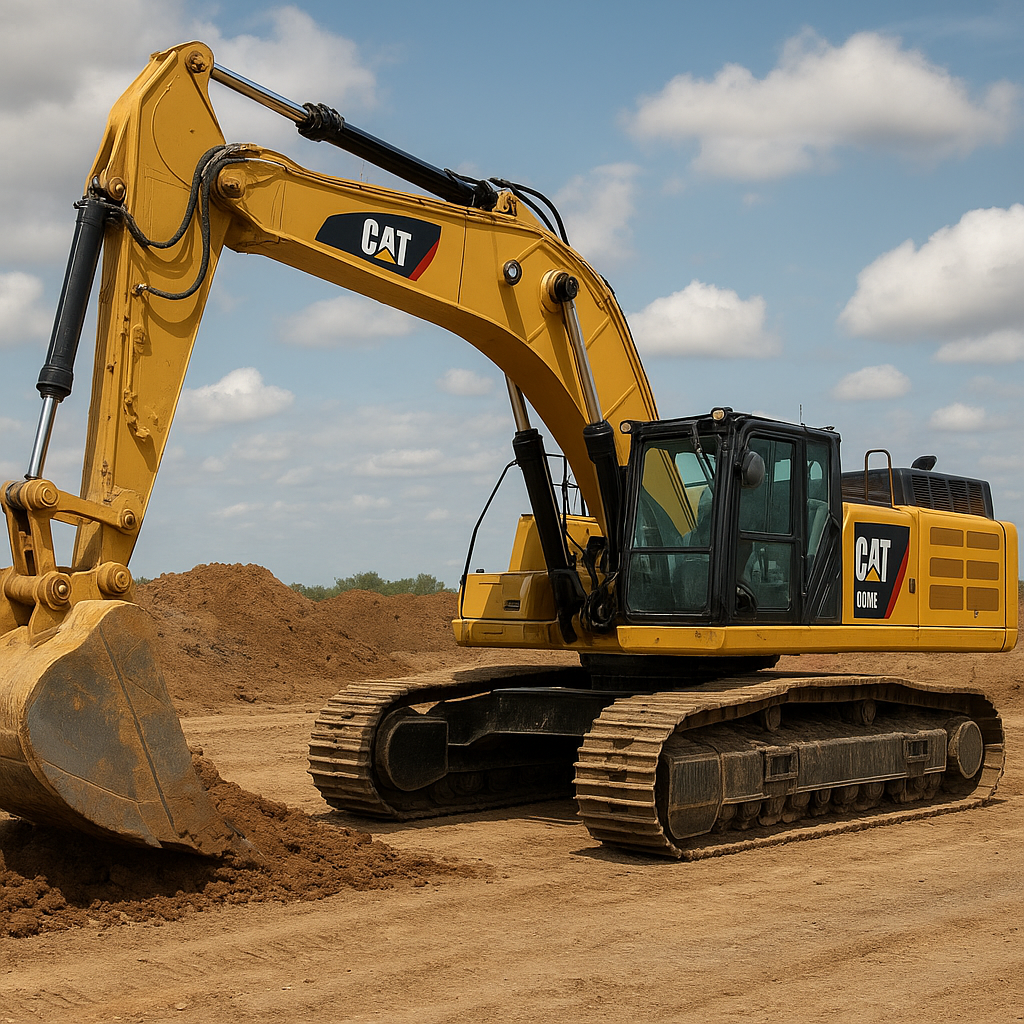
The Caterpillar 390F is a heavy-duty hydraulic excavator designed for demanding earthmoving, mining, quarrying and large-scale construction projects. Combining robust mechanical systems, advanced hydraulics and operator-focused controls, this machine is built to deliver high levels of productivity, durability and fuel efficiency in harsh operating environments. In the paragraphs that follow, you will find an in-depth look at the 390F’s background, technical features, typical applications, operational performance, maintenance considerations and options for customization. Practical examples and approximate performance figures are included where available to help you evaluate how the 390F may fit your fleet needs.
Overview and development
The Caterpillar 390F is part of Cat’s line of large hydraulic excavators designed for heavy excavation and material handling. Evolving from earlier models in the 390 family, the 390F incorporated improvements in engine management, hydraulic efficiency and operator comfort that reflect Caterpillar’s focus on lifecycle cost reduction and machine uptime. The design ethos centers on balancing raw power with intelligent systems that allow for precise control and consistent performance over long shifts.
The 390F is commonly available in multiple configurations (standard, long undercarriage, heavy-duty undercarriage and various boom/arm lengths), allowing owners to tailor the machine for different tasks such as deep trenching, long-reach demolition, high-production digging or loading heavy trucks. Many fleets choose the 390F when they need a machine that can handle continuous heavy cycles while preserving component life and minimizing downtime.
Key technical features and systems
The 390F blends several systems and features that together determine its real-world capabilities. While exact specifications vary by year, region and configuration, the following components are representative of what distinguishes the model:
- Engine and powertrain – The 390F typically uses a robust Cat diesel engine tuned for high torque at low rpm, prioritizing fuel economy and longevity under load. Engine management systems optimize performance to match hydraulic demand.
- Hydraulic system – Advanced hydraulic pumps and control valves deliver smooth, responsive operation and efficient power transfer to the boom, arm and bucket. Variable-flow hydraulics and electronic control help reduce parasitic losses during part-load operation.
- Undercarriage – Heavy-duty tracks and rollers provide traction and stability on steep grades and rough terrain. Several undercarriage options are available to improve ground contact, flotation or durability depending on the application.
- Structure and components – Reinforced booms, sticks and attachment points use high-strength steels and strategic gusseting to resist fatigue and extend service life under repeated stress cycles.
- Operator environment – A spacious, climate-controlled cab with ergonomic controls, adjustable seating and advanced monitoring displays improves comfort and reduces operator fatigue during long shifts.
- Electronics and monitoring – Integrated telematics and machine monitoring systems provide data on fuel consumption, cycle times, component hours and maintenance alerts to support predictive maintenance and fleet management.
Typical specification ranges
Specifications change with production year and customer-selected options. The ranges below are indicative and intended for comparative planning rather than exact quoting:
- Operating weight: approximately 80,000–92,000 kg (177,000–203,000 lb)
- Engine power (net): roughly 300–370 kW (400–500 hp)
- Bucket capacity: typically 1.8–4.0 m³ depending on material and application
- Maximum digging reach: around 11–14 m (36–46 ft), varying with boom/arm choice
- Maximum digging depth: roughly 7–9 m (23–30 ft)
- Bucket breakout force and arm crowd force: high values, engineered for sustained heavy digging (exact figures dependent on configuration)
Applications and industries
The Caterpillar 390F is used across a wide range of sectors that require powerful excavation and material manipulation. Primary applications include:
- Open-pit mining and quarrying – Loading haul trucks, reclaiming benches and removing overburden where cycle times and machine uptime directly affect productivity.
- Heavy civil construction – Large-scale infrastructure projects such as highway construction, dam works, port development and airport earthworks where substantial volumes of material are moved daily.
- Bulk material handling – Stockpile management, raw material transfer and handling abrasive materials where robust buckets and wear packages are needed.
- Utility and pipeline construction – Trenching and backfilling for pipelines, especially where deep spoil removal is required.
- Demolition and recycling – With long-reach or specialized attachments, the 390F can be used for selective demolition and sorting tasks.
Its combination of power and stability makes the 390F a strong candidate for jobs that require continuous heavy cycles. Owners often pair the 390F with large haul trucks, wheel loaders and dozers to create high-throughput work cells on large projects.
Performance, productivity and fuel economy
Performance of the 390F depends on job conditions, operator skill and machine configuration. Manufacturers and independent tests typically emphasize the following benefits:
- High bucket fill factor – Efficient hydraulic control and strong breakout forces improve the ability to fill large buckets on first pass, reducing cycle times.
- Optimized fuel consumption – Engine and hydraulic controls that match power output to demand can lower per-hour fuel use compared with older, less-sophisticated models. On some jobs, operators report double-digit percentage improvements in fuel efficiency relative to previous-generation machines when using economy modes and proper matching of bucket size to load.
- Consistent cycle times – Durable components and cooling systems maintain performance over extended shifts, reducing slowdowns from heat-related derating.
- Telematics-enabled optimization – Remote data capture allows fleet managers to monitor idling, load factors and fuel consumption to coach operators and adjust site logistics, improving overall productivity.
Approximate operational metrics (illustrative): a well-configured 390F operating in typical quarry loading duties might achieve truck-loading cycle times that allow a single excavator to match the output of many smaller machines, depending on truck size and haul distances. Fuel consumption may vary from 30 to 60 liters per hour under heavy load; idle and light-load fuel burn will be significantly lower. These figures should be validated against current manufacturer data and in-situ measurements for precise budgeting.
Attachments, customization and wear packages
One of the strengths of the 390F platform is its adaptability via attachments and wear options. Common attachments and options include:
- General-purpose, heavy-duty and rock buckets in a range of capacities
- Hydraulic hammers, grapples and shears for demolition and recycling
- Rippers and thumb attachments for specialty excavation
- Long-reach booms and sticks for demolition or dredging tasks
- Factory or dealer-installed wear packages: hardened booms, sealed pins and bushings, heavy-duty chain guides and reinforced bucket edges for abrasive materials
Choosing the correct attachment and wear package has a strong effect on cycle times, wear life and total cost of ownership. Owners working in highly abrasive environments often invest in thicker bucket wear edges, additional protective plating and higher-spec wear components to extend service intervals.
Maintenance, serviceability and lifecycle costs
Lifecycle cost management is central to the 390F’s design. Caterpillar emphasizes the following to maximize uptime and reduce long-term expense:
- Accessible service points – Grouped grease points, centralized filters and ground-level maintenance access reduce the time required for routine inspections and oil/filter changes.
- Filtration and cooling – Enhanced cooling packages and multi-stage filtration options reduce component wear in dusty or hot environments.
- Predictive maintenance tools – Telematics and on-board diagnostics can flag early signs of wear or hydraulic issues and allow scheduling of maintenance before major failures occur.
- Parts commonality – Shared components across Caterpillar large-machine lines can simplify inventory and speed repairs.
From a cost perspective, the largest operating expenses are typically fuel, wear parts (including bucket teeth and cutting edges), undercarriage replacement and scheduled engine/hydraulic maintenance. Proper operator training, matched attachments and adherence to preventive maintenance schedules can reduce the total cost of ownership significantly.
Safety and operator aids
Safety on large excavators is critical. The 390F typically includes features aimed at protecting the operator and ground personnel:
- Enhanced visibility from elevated cabs and wide glass areas, plus optional camera systems to monitor blind spots
- ROPS/FOPS-certified cabs and operator restraint systems
- Hydraulic lockouts and overload protection to avoid uncontrolled movements
- Alarm systems, additional lighting packages and reflective markings for night or low-visibility work
Operator-assist systems, such as work-mode selectors, automatic idle and economy modes, help reduce the risk of operator error and can extend component life by limiting excessive loads.
Real-world examples and case studies
Across mines, quarries and major infrastructure projects, the 390F is frequently used as the primary hydraulic excavator for medium-to-large haul-truck fleets and for heavy trenching. Typical case study highlights include:
- A quarry operation replacing multiple older medium excavators with a 390F and larger trucks, gaining higher daily tonnage with fewer machines and lower per-ton fuel costs.
- A civil contractor deploying the 390F for dam excavation, where long reach and consistent hydraulic power enabled precise benching and high daily volumes with predictable maintenance intervals.
- Urban demolition projects where a long-reach configuration equipped with a shear or pulverizer allowed controlled dismantling with reduced need for additional lifting equipment.
These examples underscore the machine’s versatility: the same basic platform, when fitted with the appropriate undercarriage, boom and attachment choices, can switch between tasks with minimal downtime.
Buying considerations and residual value
When evaluating the 390F for purchase or lease, consider the following:
- Match bucket sizes and cycle expectations to truck types and site logistics to avoid under- or over-sizing—either extreme negatively affects fuel consumption and productivity.
- Assess the value of telematics and extended maintenance packages in reducing unscheduled downtime. In high-utilization environments, these can pay back quickly.
- Factor in undercarriage life: track and roller wear in abrasive sites can be a major ongoing cost.
- Used-market values for well-maintained 390-class machines tend to be stable in regions with strong infrastructure or mining demand; proper service records improve resale value.
Environmental and regulatory considerations
Modern versions of large Cat excavators are designed to meet applicable emissions regulations (EPA Tier/Stage requirements) using engine technologies, after-treatment and efficient fueling strategies. Operators should confirm that the specific machine configuration meets local emissions standards and consider retrofit or remanufactured components only when compliant with regional requirements. In addition, noise suppression packages and reduced-idle technologies can help projects meet site-specific environmental and community standards.
Summary
The Caterpillar 390F is a powerful, adaptable excavator intended for operations where high productivity, extended durability and adaptable configurations matter. Its strengths lie in a proven mechanical design, modern hydraulics and electronics that support fleet management and predictive maintenance. While exact performance and consumption numbers depend on configuration and operating conditions, the 390F typically serves as a cornerstone machine in large-scale earthmoving, quarrying, mining and civil construction fleets. When evaluating the 390F, focus on matching attachments, undercarriage choice and telematics options to your operational goals to maximize return on investment and minimize total cost of ownership.


)
)